
































Is it legal to install CCTV cameras in my home?
Thinking about installing security cameras at home? It's one of the smartest steps you can take to protect your property and family. Before you mount that first camera, it's worth understanding the legal boundaries that apply in Australia.
The short answer is yes, it is legal to install CCTV cameras in your home. But there are important rules you need to follow to stay on the right side of the law. For a deeper look at how the law applies to businesses as well as homes, read our full guide on what are the rules around installing and using CCTV in Australia.
What the law says
In Australia, the installation and use of surveillance devices, including CCTV cameras, is governed by the Surveillance Devices Act, which applies at both federal and state levels. Breaching this Act can result in serious legal consequences, so it pays to understand what's allowed before you install.
Key rules for home CCTV installation
1. You need permission to install on someone else's property
If you're renting, or if the property is jointly owned or occupied, you must have the consent of the owner or occupier before installing any camera. Installing a camera without that consent, even with good intentions, may be a breach of the Act. If you're planning a new build or renovation, see our guide on CCTV camera setup options for new-build properties.
2. Your camera must not face onto a neighbour's property
Pointing a camera toward a neighbouring property, even partially, can expose you to claims of trespass, breach of privacy, or in more serious cases, accusations of stalking or intimidation. Position your cameras carefully so they only capture your own property. Our guide on where to place security cameras covers compliant positioning in detail.
3. Audio recording is a separate offence
Many modern CCTV cameras include built-in microphones. Recording audio without the consent of those being recorded is a separate and distinct offence under Australian law. If your camera has audio capability, check your local state legislation and consider disabling the audio function unless you have explicit consent. See also our tips on how to hack-proof your home security cameras for broader security best practices.
4. Signage is strongly advised
Even on your own property, it is good practice and in some contexts legally advisable to display clear signage informing visitors and guests that CCTV is in operation. A simple sign near entry points helps manage expectations and demonstrates transparency. The Office of the Australian Information Commissioner (OAIC) provides further guidance on privacy obligations for individuals and businesses.
5. Avoid filming private areas, even inside your own home
Within your home, cameras must not be positioned to capture areas where people have a reasonable expectation of privacy, such as bathrooms, bedrooms, or change areas. This applies even if the people being filmed are members of your own household.
A quick checklist before you install
Before mounting your cameras, run through these questions:
- Do I have permission from the property owner or co-occupier?
- Are my cameras positioned to capture only my own property?
- Have I checked whether audio recording is enabled and disabled it if needed?
- Is there clear signage at entry points advising of CCTV in operation?
- Are all camera angles free of bathrooms, bedrooms, and other private areas?
If you can answer yes to all of the above, you're in a strong position to install legally and responsibly.
Installing CCTV the right way
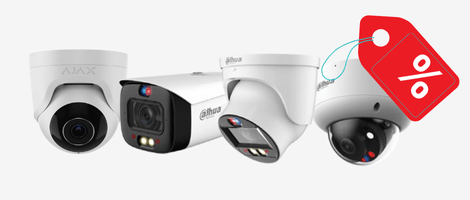
At Secure On Australia, we stock a wide range of home security cameras designed for residential use, from discreet indoor cameras to weatherproof outdoor units with night vision. Our team can help you choose the right camera for your property layout and advise on positioning that keeps you covered without crossing legal boundaries.
Not sure where to start? Read our complete CCTV buying guide, compare wired vs wireless security cameras, or find out how many cameras you actually need.
Browse our home security cameras or get in touch if you have questions about your setup.
Please note: This article is intended as general guidance only and does not constitute legal advice. Laws vary by state and territory. If you are unsure about your specific situation, consult a qualified legal professional.